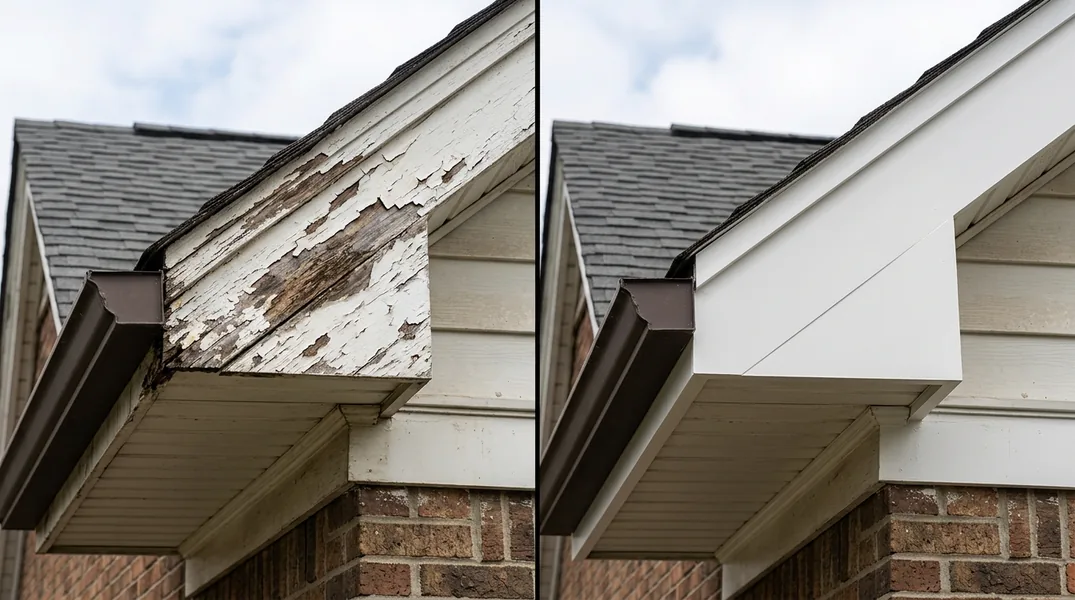
Why East Nashville and Germantown Homes Face Unique Wood Challenges
If you own a Nashville craftsman bungalow or a stately Germantown Victorian, you're steward of a piece of local history. These homes, many built between 1900 and 1930, possess genuine character that modern construction simply cannot replicate. But that charm comes with a responsibility: understanding the wood maintenance demands that come with older architecture.
The culprit behind most wood problems in these historic neighborhoods isn't age itself. It's moisture. Nashville's humid subtropical climate creates the perfect storm for wood deterioration. Combined with aging roofing, compromised flashing, and original wood siding that may not have been treated for moisture resistance, your Victorian or bungalow becomes vulnerable to rot, decay, and structural compromise. The good news is that understanding these vulnerabilities puts you in control.
Identifying Early Signs of Wood Rot in Your Historic Home
The earliest warning signs of trouble are often subtle, which is why many homeowners miss them until damage becomes serious. In craftsman bungalows, check the base of exterior columns, window frames, and the underside of eaves where water naturally collects. Soft spots that yield to finger pressure, paint that bubbles or peels in irregular patterns, and visible discoloration on wood siding are red flags. If you notice a musty smell near your basement or crawl space, that's another indicator that moisture is breaking down wood structure.
Victorian homes present their own trouble zones. The ornate trim work that defines these homes is particularly vulnerable. Water pools in decorative recesses, and the complexity of the design means proper drainage is easily compromised. Look for wood that appears darker than surrounding areas, crumbling or cracking along grain lines, and any areas where new wood has been patched without addressing the underlying moisture source. Early detection of Wood Rot & Dry Rot Repair needs can save thousands in structural repairs down the line.
Wood Siding Repair: Protecting Your Home's First Line of Defense
Wood siding repair is one of the most important preventive measures you can take. The siding on your bungalow or Victorian is literally the barrier between your home and the elements. Original wood siding, whether lap siding on a craftsman cottage or the varied boards on a Victorian, requires regular attention. This doesn't mean constant replacement, but it does mean understanding that wood is a living material that expands, contracts, and eventually weathers.
Proper siding maintenance involves keeping paint and sealant in good condition, ensuring gutters and downspouts direct water away from the structure, and addressing any gaps or cracks promptly. When wood siding does need repair, the goal should be to preserve as much original material as possible while replacing only the compromised sections. This approach maintains the historic integrity of your home while ensuring structural soundness. If you're noticing widespread issues with your siding, a professional assessment can determine whether targeted repairs or a more comprehensive restoration is needed.
The Hidden Threat: Termite Damage and Structural Integrity
While moisture-related rot is the most common wood threat in Nashville historic homes, termites represent a different but equally serious concern. Subterranean termites are present throughout Tennessee, and older homes with wood-to-soil contact or existing moisture problems are particularly vulnerable. Unlike rot, which you can often see and smell, termite damage happens silently inside the wood. A termite colony can consume structural wood for years before visible damage appears.
The connection between moisture and termite problems is important: termites are attracted to damp wood. So addressing water intrusion and moisture control simultaneously tackles both threats. If you suspect Termite Damage Repair might be needed, or if you've had termites before, annual inspections are essential. Professional pest control and structural carpentry often need to work together. A carpenter can identify structural damage and make repairs, while pest control addresses the active infestation. Delaying either step leaves your home at risk.
Floor Joists and Subfloor Concerns: When Wood Rot Affects Your Home's Foundation
Historic homes often rest on wood joists and subflooring that have performed admirably for over a century. But when moisture reaches these hidden structural elements, the consequences are serious. Soft or bouncy floors, visible sagging, or persistent musty odors in living spaces often indicate that Floor Joist & Subfloor Repair is needed. This is not a cosmetic issue. Compromised floor structure affects the entire integrity of your home and poses safety risks.
The challenge with floor joist problems is that they're often discovered only after significant damage has occurred. Crawl spaces in older homes frequently lack proper ventilation or moisture barriers, creating ideal conditions for decay. If you've never had your crawl space inspected, that's a worthwhile investment. A professional can assess moisture levels, identify any existing wood damage, and recommend preventive measures. If repairs are needed, addressing them promptly prevents cascading damage to other structural systems in your home.
Historic Home Maintenance: Creating a Proactive Care Plan
The best approach to preserving your craftsman bungalow or Victorian is proactive maintenance rather than reactive repair. This means establishing a regular inspection schedule, typically annual or after severe weather events. Walk the exterior of your home seasonally, checking gutters, downspouts, flashing, and visible wood surfaces. Keep records of what you observe. Over time, these notes become invaluable in identifying patterns or slow-developing problems.
Interior inspections matter equally. Check basement and crawl space conditions, look for water stains on ceilings and walls, and pay attention to any changes in how doors and windows fit in their frames. These subtle shifts can indicate structural movement or moisture problems. When you do identify concerns, don't delay in seeking professional assessment. The longer wood rot or termite damage persists, the more extensive and expensive repairs become. If you're unsure whether an issue warrants professional attention, a free estimate from Nashville Carpentry can provide clarity and peace of mind.
When to Call a Professional: Wood Rot & Dry Rot Repair Near Me
Knowing when to tackle a project yourself and when to call a professional is crucial for historic home preservation. Minor paint maintenance and basic gutter cleaning are homeowner tasks. But anything involving structural wood, Wood Rot & Dry Rot Repair, or assessment of damage extent requires professional expertise. Historic homes demand carpenters who understand preservation principles and can work with original materials respectfully.
Nashville Carpentry specializes in serving homeowners throughout Nashville with the kind of detailed, conscientious work that historic homes deserve. Whether your bungalow needs new siding or your Victorian requires structural assessment, experienced professionals can distinguish between cosmetic aging and genuine structural threat. We understand the architectural styles that define East Nashville and Germantown neighborhoods, and we approach every project with the respect these homes warrant. For a consultation or to discuss your specific concerns, call us at (629) 317-1838 or request a free estimate through our website.
Looking for a professional carpentry contractor in Nashville? Nashville Carpentry responds fast for all your carpentry needs.
Get a Free QuoteOur services: Wood Rot & Dry Rot Repair · Termite Damage Repair · Floor Joist & Subfloor Repair