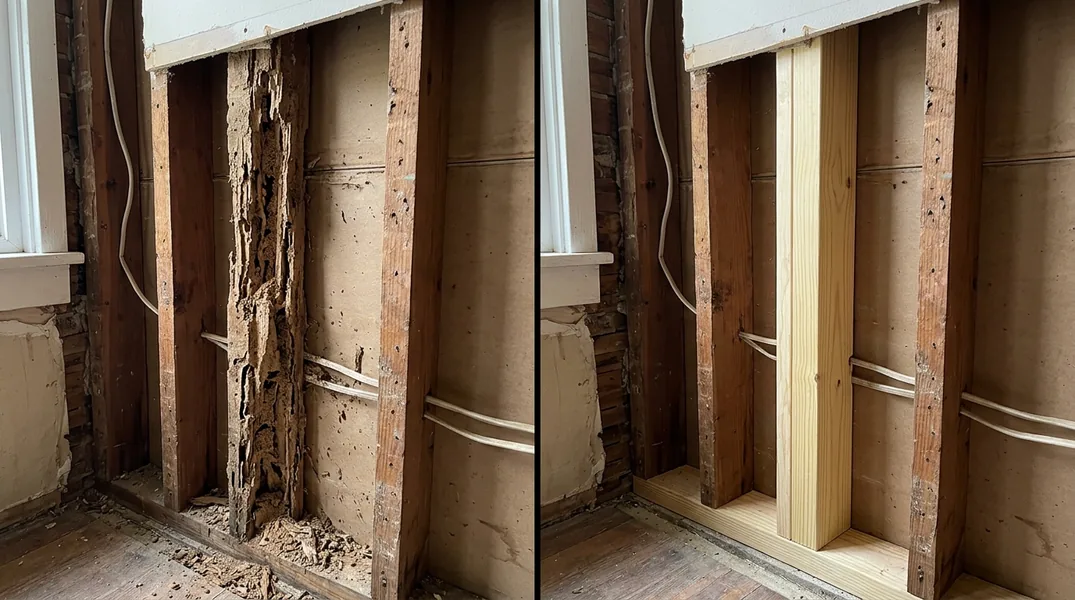
Why Nashville's Climate Creates the Perfect Storm for Wood Damage
Nashville homeowners face a unique challenge when it comes to protecting their properties from wood-destroying pests and decay. The city's warm, humid subtropical climate is essentially an open invitation for termites, carpenter ants, and the fungal spores that cause dry rot. Unlike drier regions where wood-eating insects struggle to survive, the Cumberland River valley provides the exact moisture and temperature conditions these destructive forces need to thrive year-round.
The problem intensifies because many homes in the Nashville area were built decades ago, when moisture barriers and wood treatments were far less advanced than today's standards. Older foundations, crawl spaces, and basements often lack proper ventilation and waterproofing, creating damp environments where wood rot and termite colonies flourish. Even newer homes can fall victim if gutters fail, downspouts don't direct water away from the foundation, or if landscaping traps moisture against the house. The combination of Nashville's climate and aging housing stock means wood damage isn't a question of if, but when.
Understanding the Difference: Termite Damage vs. Wood Rot
While both termites and wood rot can devastate a home's structural integrity, they work in very different ways. Termites are living insects that actively consume wood as they tunnel through it, leaving hollow galleries and weakened framing in their wake. Termite Damage Repair is often urgent because these colonies can cause significant structural compromise in just a few years if left untreated. Subterranean termites, the most common species in Tennessee, build mud tubes from the soil to your home's wood, allowing them to maintain the moisture they need while feeding.
Wood rot, on the other hand, is caused by fungal decay that breaks down the cellulose in wood fibers. Unlike termites, wood rot doesn't require an active insect colony, though the moisture that causes rot also attracts termites and other wood-boring pests. Wood Rot & Dry Rot Repair becomes necessary when wood has been exposed to prolonged moisture without proper drying. The affected wood becomes soft, spongy, and loses its load-bearing capacity. Many homeowners discover both problems simultaneously because the conditions that create one almost always support the other.
Signs of Termite Damage You Shouldn't Ignore
Catching termite damage early can mean the difference between a manageable repair and a structural emergency. Some of the most obvious signs include hollow-sounding wood when you tap on it, visible mud tubes running along foundation walls or crawl space joists, and discarded termite wings near windows or light sources. You might also notice buckling hardwood floors, sagging ceilings, or doors and windows that no longer close properly due to structural settling caused by termite damage beneath the surface.
Less obvious warning signs include small holes in drywall or wood trim, a musty odor in crawl spaces or basements, and visible termite swarmers (winged termites) during spring months. If you notice any of these indicators, it's critical to get a professional inspection. Many termite colonies work silently for years before causing visible damage, so waiting until you see obvious signs may mean extensive structural compromise has already occurred. The longer an infestation goes unaddressed, the higher your termite repair cost will ultimately be.
Wood Rot & Dry Rot Repair Near Me: When to Call a Professional
Wood rot develops gradually, often hidden behind walls, under flooring, or in attic spaces where moisture collects. The earliest signs include soft spots when you press on wood, discoloration or darkening of wood surfaces, and a crumbly or spongy texture when you probe with a screwdriver. Paint that bubbles or peels, especially near the foundation or on exterior trim, often indicates moisture problems that lead to rot. Basement walls and crawl space joists are particularly vulnerable because they're in constant contact with damp soil and are often poorly ventilated.
Once wood rot has taken hold, it spreads faster than many homeowners realize. The fungal spores that cause rot thrive in the same humid environment that attracts termites, so it's common to find both problems in the same home. Wood Rot & Dry Rot Repair requires removing the affected wood and replacing it with properly treated lumber, along with addressing the moisture source that caused the problem in the first place. This is not a DIY project, especially if the rot has affected structural components like floor joists or load-bearing walls. A professional inspection can identify hidden rot before it becomes catastrophic, potentially saving you tens of thousands of dollars in emergency repairs.
Structural Repairs: Floor Joists, Beams, and Load-Bearing Walls
When termite damage or wood rot reaches your home's structural components, the repair becomes significantly more complex and expensive. Floor Joist & Subfloor Repair is one of the most common structural repairs needed in Nashville homes, particularly in properties with crawl spaces or older basements. Compromised floor joists can cause sagging floors, uneven surfaces, and eventually, catastrophic failure if left unaddressed. Replacing rotted or termite-damaged joists requires careful planning to ensure the floor is properly supported during the repair process, which is why this work should only be done by experienced professionals.
For more serious structural damage, Beam Replacement & Load-Bearing Wall Removal may be necessary. Load-bearing beams and walls support the entire weight of your home's upper floors and roof, so any damage to these components is a serious structural issue. This type of work requires temporary support structures, proper engineering calculations, and often building permits. The complexity and cost increase significantly when structural elements are involved, making early detection and preventive maintenance essential. Professional contractors have the expertise and equipment to safely perform these critical repairs while maintaining your home's structural integrity.
Wood Rot & Dry Rot Repair Cost in Nashville: What to Budget
The cost of wood damage repairs varies dramatically depending on the extent of the problem, which structural components are affected, and whether moisture sources need to be addressed. Small, localized areas of wood rot in non-structural trim might cost only a few hundred dollars to repair, while extensive rot affecting multiple floor joists or beams can easily exceed ten thousand dollars or more. Termite Damage Repair costs depend on the size of the infestation, how long it's been active, and what structural damage has occurred. Treatment alone might cost between five hundred and two thousand dollars, but if structural repairs are needed, the total bill can be substantially higher.
The best way to understand what you might need to budget is to get a professional assessment. Nashville Carpentry offers a free estimate so you can understand the scope of work and associated costs before committing to repairs. Investing in early detection through regular inspections is far more cost-effective than waiting until major structural damage requires expensive repairs. We recommend homeowners check our pricing page for general guidance, then call us at (629) 317-1838 to discuss your specific situation. Many people are surprised to learn that preventive measures like proper drainage, ventilation, and moisture control cost far less than structural repairs down the road.
Prevention: Protecting Your Nashville Home from Future Damage
The most effective approach to wood damage is prevention. Start by ensuring your home has proper drainage around the foundation, with gutters and downspouts directing water at least six feet away from the house. Crawl spaces should be ventilated and ideally covered with a moisture barrier to reduce humidity. Check your home regularly for signs of water intrusion, especially after heavy rains, and address any leaks immediately. Grade soil around your foundation so water slopes away from the house, and trim back vegetation that traps moisture against exterior walls.
Regular inspections are your best defense against costly damage. Many homeowners schedule professional inspections every one to two years, particularly if they live in older homes or have had previous moisture or pest problems. Nashville Carpentry can identify potential problems before they become emergencies, giving you time to address issues affordably. If you notice any signs of termite activity, wood rot, or water damage, don't delay in getting a professional evaluation. Call us at (629) 317-1838 or request a free estimate today. The small investment in early detection can protect your home and your wallet for years to come.
Looking for a professional carpentry contractor in Nashville? Nashville Carpentry responds fast for all your carpentry needs.
Get a Free QuoteOur services: Wood Rot & Dry Rot Repair · Termite Damage Repair · Floor Joist & Subfloor Repair