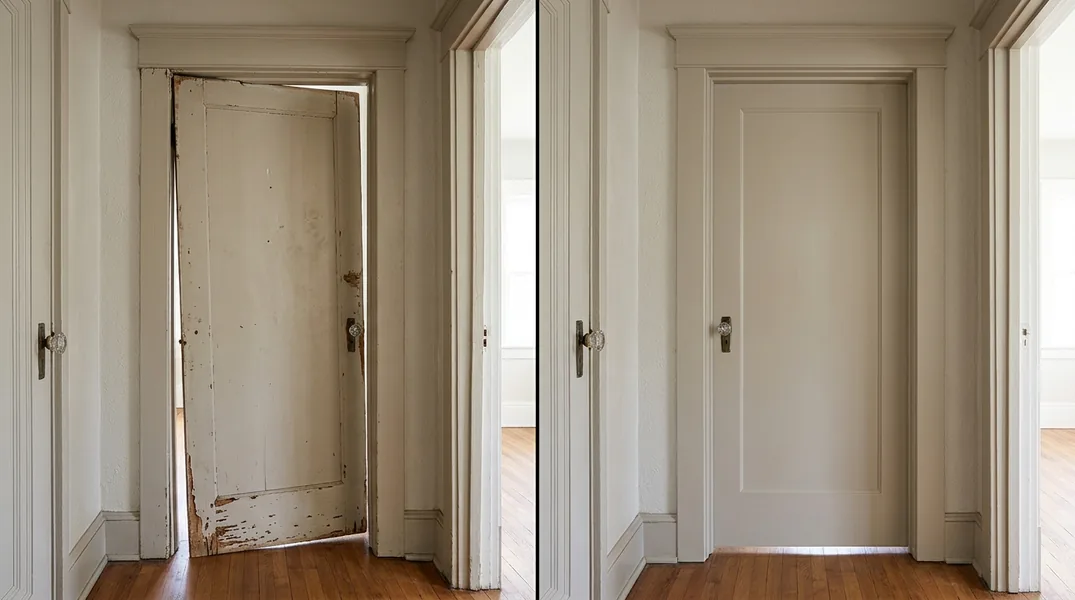
Understanding Wood Rot: The First Step in Your Decision
Wood rot is one of the most common structural problems homeowners face, and it's easy to panic when you discover soft, discolored wood on your siding, deck, or interior framing. The good news is that not every instance of rot requires a complete replacement. Understanding what you're dealing with is the critical first step in deciding whether Wood Rot & Dry Rot Repair or replacement makes sense for your property.
Wood rot occurs when moisture penetrates wood and fungi begin to break down the cellulose, causing the material to soften and lose structural integrity. In Nashville, our humid subtropical climate creates ideal conditions for fungal growth, which is why rot is particularly prevalent in older homes and properties with poor drainage or ventilation. The severity of rot ranges from surface-level cosmetic damage to deep structural compromise that affects load-bearing components. Identifying which category your damage falls into will guide whether repair is feasible or replacement is necessary.
When Repair Makes Sense: Signs Your Wood Can Be Saved
If rot is caught early and remains superficial, repair is often the most cost-effective and practical solution. Surface rot typically affects only the outer inch or so of wood and hasn't compromised the structural core. You'll recognize this type of damage by discoloration, slight softness when probed with a screwdriver, and localized deterioration. In these cases, a skilled carpenter can remove the affected wood, treat the area to prevent future moisture infiltration, and seal or refinish the surface. This approach preserves the original character of your home while addressing the problem at a fraction of replacement costs.
Another scenario where repair is ideal is when rot affects non-structural elements like decorative trim, fascia boards, or porch railings. These components don't bear weight and don't compromise your home's integrity if they're damaged. Repairing rotted wood siding in these areas is straightforward and allows you to maintain the aesthetic of your home without major disruption. Additionally, if you've identified the moisture source and eliminated it (such as fixing a gutter leak or improving grading), the repaired wood is unlikely to rot again, making the investment in repair more worthwhile than it would be in a situation where moisture problems persist.
When Replacement Is the Only Option: Structural and Safety Concerns
Replacement becomes necessary when rot has penetrated deep into the wood structure, affecting more than a quarter-inch of depth or compromising load-bearing capacity. If you press a screwdriver into the wood and it sinks easily several inches, you're dealing with advanced rot that has destroyed the wood's ability to support weight or resist stress. This is particularly critical in structural elements like floor joists, rim boards, and wall studs. Attempting to repair wood that has lost its structural integrity is not only ineffective but also dangerous, as it may fail unexpectedly and cause injury or property damage.
Floor Joist & Subfloor Repair is one area where replacement is often unavoidable. Floor joists support the weight of your entire floor system, and compromised joists cannot be safely repaired with patches or fillers. Similarly, if rot has affected multiple boards in the same area or has spread across a wide section, replacement is more practical than attempting spot repairs that may leave weakened sections adjacent to the repair. Termite Damage Repair frequently requires replacement because termites hollow out wood from the inside, leaving a thin shell that looks intact but is structurally worthless.
Termite Damage versus Wood Rot: Why the Distinction Matters
While both wood rot and termite damage result in compromised wood, they require different assessment and repair approaches. Wood rot is a fungal process that softens wood from the outside in, typically visible as discoloration and surface deterioration. Termite damage, by contrast, is caused by insects that tunnel through wood, leaving galleries and hollow sections while the surface may appear nearly normal. This makes termite damage particularly insidious because the extent of damage is often hidden until you probe deeper.
When dealing with termite-damaged wood, replacement is almost always the safer choice because it's nearly impossible to determine how much structural integrity remains without destructive inspection. Termites can compromise wood far more extensively than visible signs suggest, and attempting to repair termite damage often leaves dangerous voids in structural members. If you suspect termite activity in Brentwood (TN) or throughout the Nashville area, professional inspection and treatment should be your first priority, followed by assessment of which damaged wood can be safely repaired versus what must be replaced.
Wood Rot & Dry Rot Repair Cost in Nashville: What to Budget
The pricing for wood rot repair versus replacement varies dramatically based on the extent of damage, the type of wood involved, and the location of the problem. Minor surface repairs might cost between $300 and $800, while more extensive repairs affecting larger areas could range from $1,500 to $5,000. Replacement projects typically cost significantly more, especially when structural elements like joists or beams are involved. A single replaced floor joist might cost $500 to $1,200, but if multiple joists need replacement or if the work requires temporary structural support, costs can easily exceed $10,000.
The most important factor in cost calculation is labor and material accessibility. Work that's easy to reach and doesn't require temporary bracing costs less than deep structural repairs that demand engineering oversight and support systems. In Nashville, where many homes feature older construction and complex framing, professional assessment is essential to accurate budgeting. Rather than guessing at costs, contact Nashville Carpentry at (629) 317-1838 to schedule a free estimate. A thorough inspection will reveal the true extent of damage and allow our team to provide accurate pricing for either repair or replacement options.
Making Your Decision: A Practical Framework for Nashville Homeowners
To determine whether repair or replacement is right for your situation, start by answering these key questions. First, is the damage structural or cosmetic? If it's purely cosmetic and doesn't affect the wood's ability to function, repair is likely appropriate. Second, how deep is the rot? If it penetrates more than a quarter-inch or feels soft throughout, replacement is safer. Third, is the moisture source still active? If water is still reaching the wood, even a repair will fail unless you address the underlying cause first. Finally, what's the age and condition of the surrounding wood? If adjacent wood is also compromised, replacement of the entire section might be more economical than piecemeal repairs.
If you're uncertain about any of these factors, professional evaluation is your best investment. The team at Nashville Carpentry has years of experience assessing wood damage throughout Franklin (TN), Belle Meade, and surrounding areas. We can honestly tell you whether your wood can be saved or whether replacement is the wiser choice for your home's safety and longevity. Don't let uncertainty lead to costly mistakes or safety risks. Call (629) 317-1838 today to discuss your wood damage concerns with a professional who will give you straightforward answers and realistic options for moving forward.
Looking for a professional carpentry contractor in Nashville? Nashville Carpentry responds fast for all your carpentry needs.
Get a Free QuoteOur services: Wood Rot & Dry Rot Repair · Termite Damage Repair · Floor Joist & Subfloor Repair