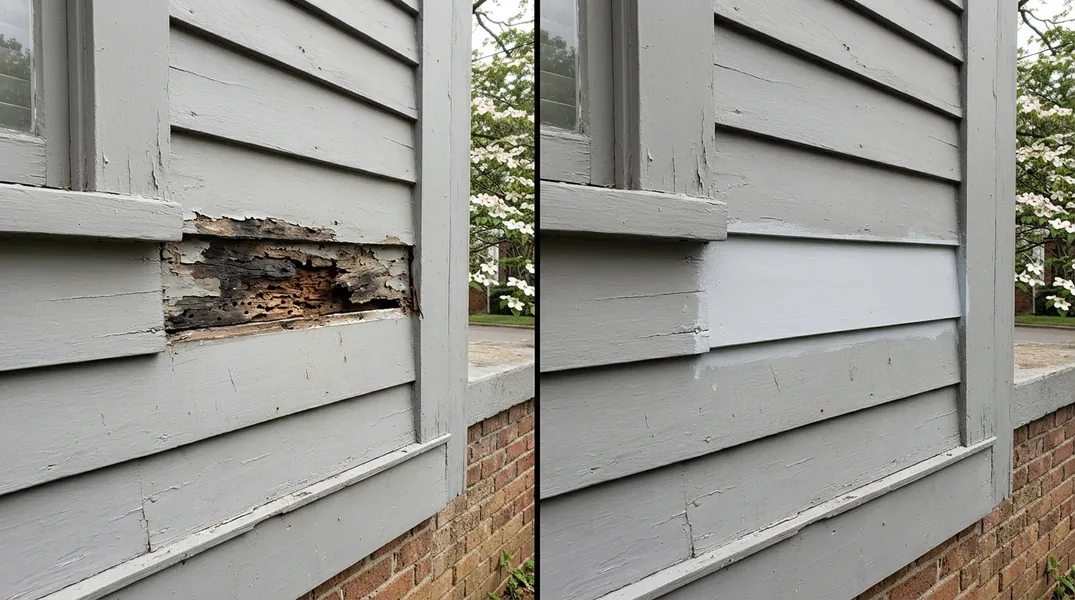
Why Nashville Homeowners Need to Know the Difference
If you own a home in Nashville, you've probably heard warnings about wood damage. But not all wood damage is created equal. Two of the most common culprits attacking homes across Tennessee are dry rot and termites, yet they require completely different treatment approaches. Mistaking one for the other could cost you thousands in unnecessary repairs or, worse, leave a serious infestation unchecked.
The confusion is understandable. Both dry rot and termite damage weaken wood, both can spread through a home if left untreated, and both demand professional attention. However, the underlying causes, the patterns of damage, and the repair strategies are fundamentally different. Understanding these differences is the first step toward protecting your home and making informed decisions about repairs. This guide will help you identify which threat you're facing so you can take the right action.
What Does Wood Rot Look Like? Understanding Dry Rot
Dry rot is a fungal decay that occurs when wood loses moisture and becomes susceptible to fungal growth. Despite its name, dry rot actually requires some moisture to develop, typically in wood with moisture content between 20 and 60 percent. The fungus breaks down the cellulose in wood, causing it to become brittle, crumbly, and structurally unsound. Understanding what does wood rot look like is essential for early detection.
When you inspect wood affected by dry rot, you'll notice several distinctive characteristics. The wood surface often appears shrunken and may develop deep cracks that run across the grain in a cube-like pattern. The affected area typically feels soft or crumbly when you press on it, and it may have a dull, dark appearance ranging from brown to nearly black. You might also notice a musty odor, which is the smell of fungal growth. Unlike termite damage, dry rot doesn't leave behind mud tubes or visible insect activity. The damage is purely fungal in nature, and the wood essentially crumbles from within.
Dry rot commonly appears in basements, crawl spaces, around plumbing leaks, and anywhere moisture accumulates. In Nashville's humid climate, attics and exterior walls are also vulnerable. If you suspect dry rot in your home, Wood Rot & Dry Rot Repair should be your priority to prevent the damage from spreading further.
Signs of Termite Damage in Wood: What to Look For
Termites are insects that feed on cellulose, the primary component of wood. Unlike dry rot, termite damage is caused by living pests actively consuming your home's wooden structure. Signs of termite damage in wood are distinctly different from fungal decay, and recognizing these signs early can save you from catastrophic structural failure.
The most obvious sign of termite activity is the presence of mud tubes. Subterranean termites, which are common in Tennessee, build these pencil-thin tubes from soil to wood as a highway between their colony and food source. These tubes protect the termites from exposure to air and light. You'll typically find them on foundation walls, basement posts, or crawl space beams. Another telltale sign is wood that sounds hollow when tapped. Termites eat wood from the inside out, leaving a thin outer shell that sounds empty when struck. You may also notice termite droppings, which look like tiny pellets or sawdust, near infested areas.
Unlike the cube-like cracking pattern of dry rot, termite damage often follows the grain of the wood and may leave galleries or tunnels visible when the wood breaks apart. The damaged wood may appear intact on the surface but crumble easily when pressure is applied. Termites also leave behind swarm wings during their mating season, typically in spring. If you spot these small, discarded wings near windows or light sources, you may have an active infestation. Termite Damage Repair requires immediate professional intervention to eliminate the colony and restore structural integrity.
Key Differences: Dry Rot vs Termite Damage
Understanding the differences between dry rot and termite damage helps you communicate effectively with repair professionals and understand what your home is facing. The most fundamental difference is causation. Dry rot is a fungal disease caused by moisture and poor ventilation. Termite damage is caused by living insects actively feeding on wood. This distinction matters because the treatment approaches are completely different.
Dry rot spreads through fungal spores that travel through the air or in contaminated materials. It thrives in damp environments and will continue to spread as long as moisture remains present. The damage pattern is typically vertical and follows the path of least resistance through the wood. Termite damage, by contrast, spreads through the movement of the colony and their feeding patterns. Termites will follow wood grain and may skip over certain areas entirely. Termite colonies can move and establish new feeding sites, making them a persistent threat until the colony is eliminated.
Another key difference is the presence of insects. Dry rot leaves no evidence of living creatures, only the aftermath of fungal decay. Termites leave behind physical evidence including mud tubes, droppings, discarded wings, and sometimes even visible insects. The smell is also different. Dry rot produces a musty, earthy odor. Termite-infested wood may have a faint, sweet smell or no noticeable odor at all. When you're trying to determine which problem you're facing, these visible and olfactory clues are invaluable diagnostic tools.
When to Call a Professional: Wood Rot & Dry Rot Repair Near Me
While some homeowners attempt DIY inspections, diagnosing and treating wood damage requires professional expertise. The structural implications of both dry rot and termite damage are serious, and misidentifying the problem can lead to incomplete repairs and ongoing damage. Professional contractors have the training, equipment, and experience to accurately diagnose the issue, assess the extent of damage, and recommend the appropriate repair strategy.
A professional inspection typically involves visual assessment, moisture testing, and sometimes thermal imaging to detect hidden damage. For termite concerns, professionals may use specialized detection equipment. They'll examine not just the obvious damage but also vulnerable areas where problems might develop. This comprehensive approach ensures that all affected wood is identified and that the root cause is addressed. In Nashville, where humidity and seasonal moisture fluctuations are common, professional assessment is especially important.
The scope of repairs can range from replacing small sections of damaged wood to major structural work like Floor Joist & Subfloor Repair or Beam Replacement & Load-Bearing Wall Removal, depending on severity. A professional will also address the underlying cause, whether that's moisture control for dry rot or pest elimination for termites. If you suspect either problem, contact Nashville Carpentry at (629) 317-1838 for a free estimate and professional guidance.
Prevention and Long-Term Protection for Your Nashville Home
The best approach to wood damage is prevention. For dry rot, maintaining proper ventilation and controlling moisture is essential. Ensure that gutters and downspouts direct water away from your foundation, fix plumbing leaks promptly, and maintain adequate ventilation in crawl spaces and attics. In basements, use dehumidifiers during humid months and ensure proper grading around your home's perimeter. Regular inspections of vulnerable areas can catch early signs of moisture problems before fungal growth takes hold.
Termite prevention requires a different strategy. Have your home inspected annually by a pest control professional, especially if you live in an area with known termite activity. Eliminate wood-to-soil contact around your foundation, keep mulch and vegetation away from your home's exterior, and maintain proper drainage. Store firewood away from your house and avoid leaving dead trees or stumps near your property, as these attract termites. Many homeowners in Tennessee benefit from preventive termite treatments applied by licensed pest control companies.
Regular home inspections are your best defense against both threats. Many structural problems caught early are far less expensive to repair. If you notice any signs of wood damage, don't wait. Contact Nashville Carpentry today at (629) 317-1838 or request a free estimate to have a professional evaluate your home and recommend the right course of action.
Looking for a professional carpentry contractor in Nashville? Nashville Carpentry responds fast for all your carpentry needs.
Get a Free QuoteOur services: Wood Rot & Dry Rot Repair · Termite Damage Repair · Floor Joist & Subfloor Repair